
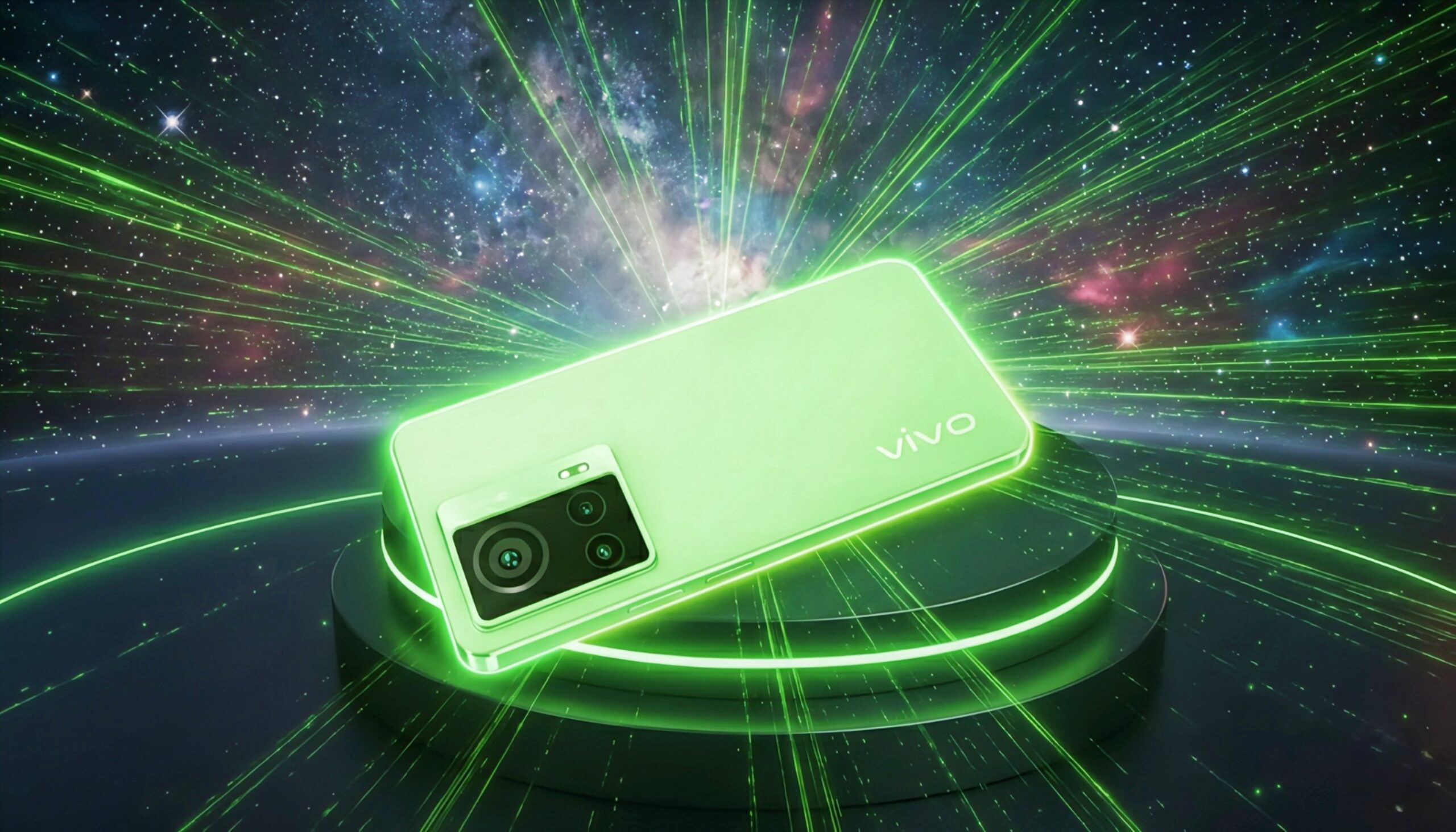
Vivo’s Best 5G Phone: 250MP Sony Camera, Snapdragon 8 Gen 3 & 6000mAh Battery at ₹10,990
The Indian smartphone market has a brutal problem: most phones promise “flagship features,” but very few actually deliver them at a price that makes sense. Consumers aren’t dumb anymore. They know when brands are cutting corners, rebranding old hardware, or inflating specs just to grab clicks. So when leaks and early retail chatter point toward Vivo’s Best 5G Phone bringing together a 250MP Sony camera, Snapdragon 8 Gen 3 processor, and a massive 6000mAh battery at ₹10,990, it naturally raises eyebrows.
Is this finally the moment where performance, camera quality, and battery life stop being trade-offs? Or is this just another spec-sheet fantasy with compromises hidden behind marketing language?
Let’s break this down logically, feature by feature, and see why Vivo’s approach here is shaking the budget and mid-premium segments.
Why Vivo’s Best 5G Phone Matters in Today’s Market
The Indian smartphone space is overcrowded. Realme fights Xiaomi, Samsung fights everyone, and iQOO, OnePlus, and Motorola sit uncomfortably in between. Most phones under ₹15,000 follow the same tired formula: decent display, average camera, and a chipset that looks good on paper but throttles under real use.
Vivo’s Best 5G Phone flips that playbook.
Instead of compromising on silicon or optics, Vivo seems to be attacking the core pain points users complain about daily:
- Blurry photos in low light
- Lag during gaming or multitasking
- Battery anxiety by evening
- Slow 5G performance despite “5G-ready” labels
By putting a flagship-grade processor and an ultra-high-resolution Sony sensor into an aggressively priced device, Vivo is clearly aiming to reset expectations.
250MP Sony Camera: Numbers Don’t Lie, But Optics Matter
A 250MP camera sounds insane because, frankly, it is. Most people don’t even print photos. But resolution isn’t the real story here—the sensor quality is.
Sony sensors dominate professional imaging for a reason. The rumored 250MP Sony sensor used in Vivo’s Best 5G Phone isn’t about bragging rights; it’s about pixel binning, dynamic range, and computational photography.
How a 250MP Camera Actually Improves Real Photos
Let’s be clear: you’re not shooting 250MP photos every time. That would be stupid and storage-killing. Instead, the camera combines multiple pixels into one large pixel for better light capture.
What that means in practice:
- Sharper daylight images with no oversharpening
- Cleaner night photos with less noise
- Better digital zoom without watercolor effects
- More accurate skin tones in portraits
Mini-case study: When Vivo introduced high-megapixel sensors in its earlier camera-focused models, image clarity improved dramatically in low-light street photography and indoor shots. This new jump simply takes that approach further.
For users who shoot Instagram Reels, YouTube Shorts, or product photos for small businesses, the difference is not academic. It’s visible.
Snapdragon 8 Gen 3: No Excuses Left
This is where things get serious.
The Snapdragon 8 Gen 3 isn’t a “value” chip. It’s a top-tier processor used in premium phones that cost two to three times more. If Vivo is actually shipping this SoC in Vivo’s Best 5G Phone, competitors should be nervous.
Real-World Performance Impact
Let’s strip the hype. What does this processor actually give you?
- Zero lag during daily multitasking
- Stable frame rates in demanding games like Genshin Impact and BGMI
- Faster AI photo processing
- Better 5G modem efficiency
- Lower thermal throttling under sustained load
Snapdragon 8 Gen 3 isn’t just faster; it’s more efficient. That matters more than raw benchmarks. Phones with weaker chips often feel fast for the first few weeks, then degrade as apps pile up and background tasks grow.
A device running this processor stays fast longer. That’s long-term value.
6000mAh Battery: The End of Charger Anxiety
Battery capacity is where many brands cheap out, assuming fast charging will mask poor endurance. Vivo didn’t take that route.
A 6000mAh battery in Vivo’s Best 5G Phone changes usage patterns completely.
What 6000mAh Means in Real Life
- Two full days for light to moderate users
- One full heavy-use day with gaming, camera, and 5G
- Less battery degradation over time due to fewer full charge cycles
Pair that with Snapdragon 8 Gen 3’s power efficiency, and you get endurance that budget phones with weaker chips can’t match.
This isn’t about staying away from chargers; it’s about reliability. People depend on their phones for payments, navigation, work communication, and content creation. Battery failure isn’t an inconvenience—it’s a liability.
Display Quality: Where Experience Is Felt Instantly
Although camera specs get headlines, the display is what users interact with nonstop.
Leaks suggest Vivo’s Best 5G Phone uses a high-refresh AMOLED panel optimized for brightness and color accuracy rather than cheap saturation tricks.
Key expectations:
- Smooth scrolling at high refresh rates
- Eye-friendly color tuning
- High outdoor visibility
- Minimal black crush in low light
If Vivo nails this, the phone won’t just look premium—it will feel premium daily, which is what actually builds brand loyalty.
Software Experience: Where Budget Phones Usually Fail
Hardware means nothing if software is sloppy.
Vivo’s recent software direction shows improvement in UI smoothness, bloatware control, and update commitment. For Vivo’s Best 5G Phone, the expectation is clear: flagship hardware must be paired with cleaner software.
What matters here:
- Stable performance without background app killing
- Predictable update cycles
- Security patches delivered on time
- Minimal unnecessary system apps
If Vivo delivers even 80 percent of a flagship software experience here, competitors in this price range simply cannot respond.
Gaming Performance: No Thermal Panic
Most phones under ₹15,000 pretend they’re gaming phones. They aren’t.
With Snapdragon 8 Gen 3, Vivo’s Best 5G Phone doesn’t need to pretend.
Real-world gaming advantages:
- Consistent FPS over long sessions
- Lower heat buildup thanks to better architecture
- Faster load times
- No sudden throttling mid-game
This matters not just for hardcore gamers but also for casual users. Poor thermal management affects camera processing, UI smoothness, and battery health.
Build Quality and Design Philosophy
A common mistake brands make at low prices is prioritizing flashy design over durability.
Early information suggests Vivo is using:
- Reinforced frame construction
- Scratch-resistant glass
- Balanced weight distribution despite the large battery
This indicates a focus on long-term usability rather than showroom appeal alone.
Who Should Buy Vivo’s Best 5G Phone?
This phone isn’t for everyone—and that’s fine.
It’s ideal for:
- Users upgrading from 2–3 year old phones
- Content creators on a budget
- Gamers who want flagship performance without flagship pricing
- Professionals who need dependable battery life
- Camera-focused users who don’t want gimmicks
It’s not ideal for:
- People who want ultra-compact phones
- Users obsessed with brand prestige over value
- Those who change phones every year regardless of performance
Price Analysis: ₹10,990 Changes Everything
Pricing is the reason this phone is being talked about at all.
At ₹10,990, Vivo’s Best 5G Phone doesn’t just compete—it destabilizes the segment. Phones priced ₹5,000–₹8,000 higher suddenly look overpriced unless they bring something genuinely superior to the table.
This price forces competitors to either:
- Slash margins
- Downgrade specs
- Or rethink their entire lineup
That’s how disruptive products reshape markets.
Long-Term Value and Resale Perspective
Phones with flagship processors and high-end sensors age better. Performance remains usable for years, camera quality stays competitive longer, and software support tends to last.
From a resale standpoint, Vivo’s Best 5G Phone should retain value better than typical budget devices because its core hardware won’t feel obsolete quickly.
Final Verdict: Is This Too Good to Be True?
Healthy skepticism is smart. Not every leak turns into a perfect retail product. But if Vivo delivers even close to what’s being promised, Vivo’s Best 5G Phone will be one of the most disruptive releases the Indian market has seen.
The combination of a Sony 250MP camera, Snapdragon 8 Gen 3, and a 6000mAh battery at this price is not normal. It’s a direct challenge to how smartphones are priced and positioned.
If execution matches intent, this phone won’t just sell well—it will force the entire industry to recalibrate.
And that’s exactly what competition is supposed to do.