
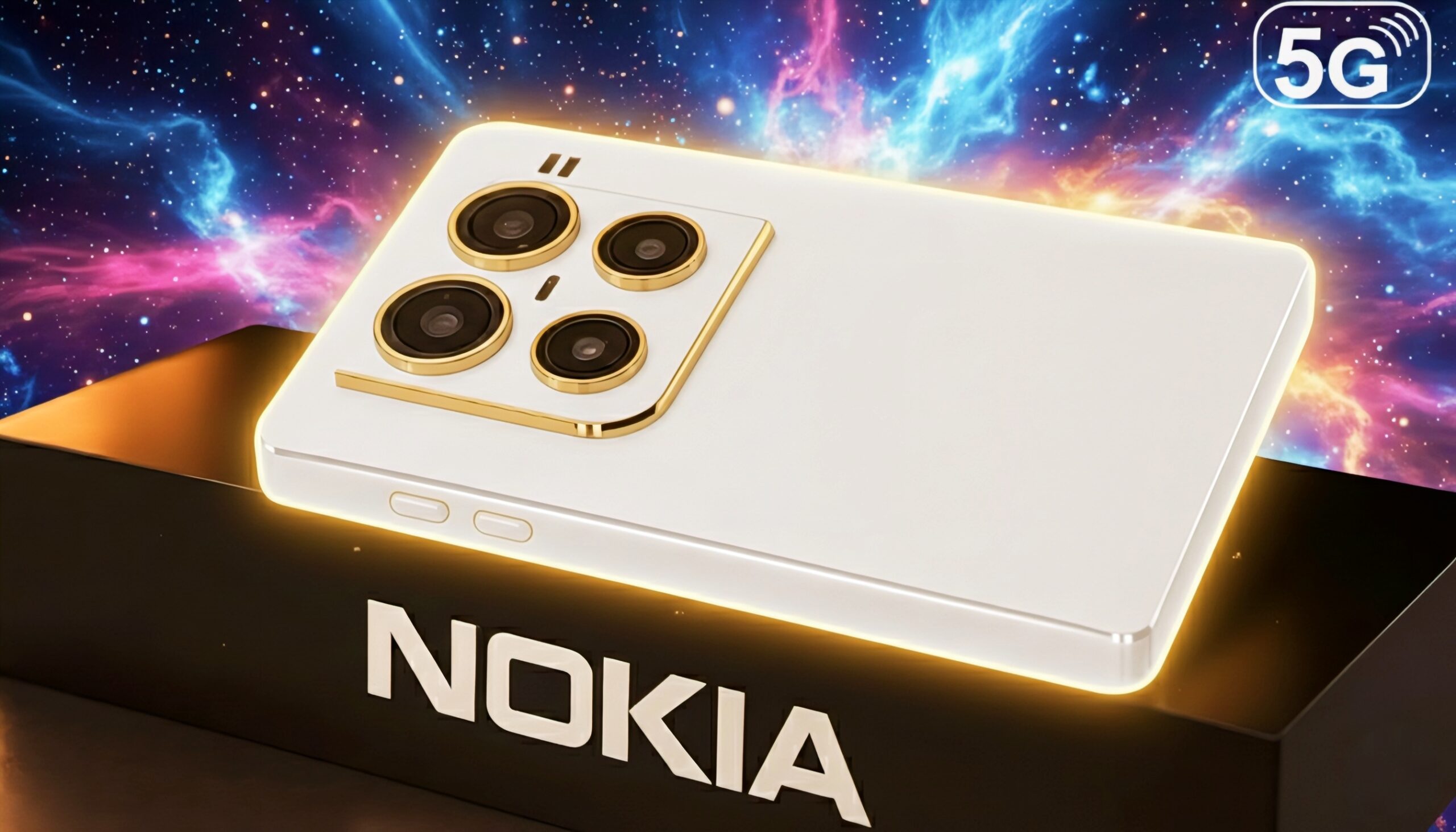
Nokia Premium 5G — deep dive: 200MP ZEISS camera, 100X zoom & 180W charging
Image prompt: “Product-style photo of a modern smartphone showing front curved display and rear rectangular camera module; emphasis on large camera lenses and premium metal finish.”
If you skim headlines, the story is obvious: a flood of small tech sites are reporting a hyper-spec Nokia device called the Nokia Premium 5G that packs an ultra-high megapixel camera, extreme zoom and blistering charging speeds into a shockingly low price. That sounds great — until you look closer.
This article does three things: (1) compiles what’s been reported about the Nokia Premium 5G (spec breakdown and where those claims come from), (2) evaluates the technical plausibility and trade-offs of those specs for real users, and (3) offers practical buying guidance, mini case studies and tools to test the phone if you find one in the wild. I’ll call out what is verified, what is speculative, and where to be cautious. Several tech blogs and outlets report specifications and price claims, but official confirmation is limited and mixed.
Quick summary (if you don’t have time)
- Claimed headline specs: 200MP ZEISS main camera, up to 100X zoom, 180W ultra-fast wired charging, large AMOLED display, huge battery (reports vary 7000–9500mAh) and 5G support. Price claims are aggressive in some reports.
- Source quality: mostly smaller tech blogs and aggregators; no authoritative official global press release from Nokia/HMD found on the company newsroom at time of writing. Treat launch claims as unverified until official channels confirm.
- Realistic take: 200MP sensors are feasible, 100X zoom is likely digital or hybrid (optical + multi-frame processing), and 180W charging is technically possible but brings trade-offs in thermals, battery chemistry and long-term degradation. Expect compromises if price is very low.
What the reports say — consolidated spec sheet (claims)
Multiple independent posts circulating on regional tech sites report similar core items for the Nokia Premium 5G. Here is a consolidated list of the commonly repeated claims (treated as reported, not confirmed):
- Main camera: 200MP sensor with ZEISS optics branding.
- Zoom: Up to 100X zoom capability (likely digital + tele combo).
- Charging: 180W wired ultra-fast charging support.
- Battery: Reports vary — many claim very large cells (7000–9500mAh across sources).
- Display: AMOLED, refresh rates reported in range 90–144Hz on different posts.
- Processor/RAM: Ranges reported from mid-high Snapdragon chips to flagship silicon; RAM up to 16GB in some listings.
- Price: Some outlets claim aggressive sub-midrange pricing — extraordinary value if true.
Important: these are site reports — not an official spec sheet from Nokia/HMD Global. The lack of an obvious official press release or product page means buyer caution is warranted.
How plausible are those headline specs?
Let’s evaluate the core three claims: 200MP ZEISS camera, 100X zoom, and 180W charging.
1) The 200MP camera (what it actually means)
Large-megapixel sensors (150–200MP) already exist in smartphones from multiple OEMs. A 200MP sensor is technically feasible — it typically uses pixel binning (combining pixels for low-light performance) and aggressive ISP (image signal processor) algorithms. But a few key clarifications matter:
- Megapixels ≠ better photos: more pixels help for cropping and detail in good light, but final image quality depends on sensor size, pixel pitch, optics, ISP and software tuning. A 200MP sensor with a tiny pixel size can still underperform a 50MP sensor with larger pixels and superior optics.
- ZEISS branding: ZEISS partnerships historically brought optical co-engineering to Nokia phones. However, public records show changes to past ZEISS partnerships in the smartphone space — which means a ZEISS badge on a rumor needs verification. Always check official brand announcements or ZEISS partner lists.
Bottom line: a 200MP sensor is plausible. It’s not an automatic win — quality depends on optics and software.
2) The 100X zoom question
There are two typical technical paths to “100X” claims:
- Optical zoom: true optical zoom at 100x would require either a periscope lens with very long focal length or complex folded optics — expensive, bulky, and typically reserved for premium flagships.
- Hybrid/digital zoom: most phones combine moderate optical zoom (2x–10x) with multi-frame AI upscaling to reach high numbers like 50x–100x. Results vary widely; digital zoom beyond 30x often shows heavy artifacting.
Given the reported aggressive price points found in several articles, it’s statistically more likely the Nokia Premium 5G uses hybrid zoom rather than a true 100x optical system. That doesn’t mean it’s useless — it can be great for social media shots — but don’t expect DSLR-level long-range clarity at maximum zoom.
3) 180W ultra-fast charging — benefits and risks
180W wired charging has appeared in the market and is technically achievable. The trade-offs are:
- Speed vs longevity: higher wattage charges batteries faster but accelerates chemical aging if not managed with advanced battery conditioning and thermal controls. OEMs that ship ultra-fast chargers usually pair them with battery management algorithms and hardware that dissipate heat.
- Thermals and safety: 180W requires robust thermal design and safety certifications. If a brand cuts corners to hit a low price, users can face throttling and long-term battery degradation.
If Nokia Premium 5G includes 180W charging, verify whether the charger is included, and whether the manufacturer provides details on battery chemistry and warranty for battery longevity.
Verified vs. unverified: where the evidence sits
- Verified / strong evidence: Numerous independent blogs and regional tech aggregators are reporting the same list of specs (camera, zoom, charging, big battery, low price). These articles are the source of the viral headlines.
- Unverified / caution required: The official Nokia/HMD newsroom and Nokia.com do not list a global press release matching the viral spec sheet. Plus, the ZEISS partnership status has nuances in public reporting. Until an official product page or a reputable large outlet confirms, treat these claims as rumors.
If you’re considering a purchase, wait for either a clear official product page or independent hands-on reviews from established reviewers (GSMArena, Android Authority, The Verge, etc.), or insist on seller guarantees and return policies if sourcing from smaller vendors.
Real-world impact: what these specs mean for users
Let’s walk through five concrete user scenarios — mini case studies — to see how the Nokia Premium 5G (as reported) could perform in the real world.
Case study A — Mobile photographer (urban & travel)
Goal: High detail shots for prints and editorial cropping.
- Why 200MP helps: for landscape or editorial work where you need to crop heavily, the extra resolution can be useful. However, sensor size matters — the sensor must capture real photons, not just pixels.
- What to test: RAW support, dynamic range, noise reduction at low ISO, JPEG sharpening, and whether ZEISS optics are physically present and delivering controlled aberrations.
- Verdict: If the Nokia Premium 5G includes RAW capture with a robust ISP and optical stabilization, it’s attractive. If not, a 200MP headline gives diminishing returns.
Case study B — Sports and wildlife observer (needs long reach)
Goal: Pull distant subjects closer with usable detail.
- Reality check: 100X zoom via heavy digital interpolation will blow out fine detail. Optical/hybrid systems with periscope modules (5x–10x true optical) plus AI are more practical.
- What to test: Compare crops at 10x, 30x and 100x — look for edge clarity and artifacting. Also test video stabilization at high zoom.
- Verdict: Probably fine for social and casual distant shots; less likely to replace a telephoto lens or a camera with a true long focal length.
Case study C — Heavy gamer / streamer
Goal: Smooth gaming, long battery life, fast recovery when battery drains.
- Battery & charging: If the phone ships with a 7000–9500mAh battery and 180W charging, that’s a great combo for sustained sessions and fast top-ups. But watch for throttling due to heat under long loads.
- Thermal management: Look for active heat dissipation features and thermal throttling benchmarks.
- Verdict: Could be excellent if thermal engineering matches charging tech; otherwise short bursts of speed with rapid throttling.
Case study D — Budget conscious buyer
Goal: Best camera and battery features for low money.
- Value trap: Extremely low price with flagship spec claims is enticing, but often comes from rebranded OEMs or region-specific SKUs with variable support and warranty.
- What to check: Warranty, software update policy, and verified seller reputation.
- Verdict: If price is too good to be true, verify seller reliability and support.
Case study E — Security and enterprise buyer
Goal: Longevity, software updates, and corporate security.
- Concerns: Unclear OEM backing or limited official channels reduce confidence for enterprise deployment. Official press and long-term update promises matter far more than raw specs.
Benchmarks, tools and tests you should run if you get one
If you secure a Nokia Premium 5G unit, run these practical tests before relying on it:
- Camera tests
- DXOMark or GSMArena camera test protocol (if available) — or run your own: capture standardized scenes at 1x, 3x, 10x, 30x, 100x. Compare crops.
- Shoot RAW and process in Lightroom to check dynamic range and highlight recovery.
- Low-light test: shoot the same scene at ISO 100, 800, and high ISO, compare noise and color shift.
- Battery & charging tests
- Run a standardized battery drain (screen brightness fixed, looping 1080p video) to get hours of screen-on-time.
- Charge from 0–50% and 0–100% with the supplied charger; measure times and device surface temps at 25%, 50%, 75% and 100%. Repeat to see any charging tapering.
- Performance & thermals
- Run 3DMark / Wild Life and Geekbench multi-core tests.
- Measure sustained performance: run a long gaming session and sample CPU/GPU clock throttling and frame drops.
- Software and updates
- Check OS version, security patch level, and the manufacturer’s update policy. Enterprise and longevity buyers should prioritize 2–3 OS upgrades and 3–4 years of security patches.
- Network & radios
- Validate 5G bands relevant to your region and carrier interoperability.
These tests will surface the real strengths and limitations of any hyped device.
Comparing the Nokia Premium 5G (reported) vs known competitors
Because official specs and pricing are scattered across small outlets, a direct apples-to-apples comparison is tentative. Still, here’s how the reported Nokia Premium 5G stacks up conceptually:
- Camera: 200MP vs competitor 108–200MP claims — megapixels are now a checkbox, but image quality still hinges on optics and processing.
- Zoom: 100X marketing vs 5–10x optical + AI hybrid from premium rivals — real optical telephotos still lead in quality.
- Charging: 180W vs 120–240W experiments from other OEMs — top tier charging is now a differentiator, but user outcomes vary by thermal design.
- Price: If the Nokia Premium 5G lands at aggressive pricing in reports, it undercuts many established flagships — but support, warranty and regional availability will matter.
If you need a phone for consistent, repeatable camera results, favor established models with verified reviews. If you’re hunting specs for the lowest price, verify seller reputation and after-sales support.
Pros, cons and the plain truth
Pros (if reports are accurate)
- Impressive headline specs on paper: 200MP main sensor + ZEISS branding, extreme zoom, and very fast charging.
- Potentially huge battery life with fast top-ups, excellent for heavy users.
Cons / warnings
- Verification gap: No authoritative official product release found on Nokia’s newsroom; the ZEISS partnership and other claims require confirmation. Do not buy sight unseen from dubious sellers.
- Real image quality depends on optics and software, not just sensor megapixels.
- Thermal and long-term battery concerns with ultra-fast charging unless the device has proven thermal management.
Be blunt: if a phone promises flagship camera + flagship charging at a fraction of established flagship prices, assume trade-offs unless the company documents how they solved them.
Buying checklist — don’t skip these steps
- Verify the source: Buy only from official stores, authorized retailers or reputable marketplaces that offer true returns.
- Ask for official documentation: Look for a product page on the brand’s official site or an authorized press release. If neither exists, be cautious.
- Test the unit: If buying in-store, run the camera and charging tests listed above. Check for overheating and battery health diagnostics.
- Warranty and updates: Confirm warranty period and software update commitment. Phones with sketchy update promises are value sinks.
- Check carrier compatibility: Especially important for 5G bands — make sure the device supports your regional bands.
Recommended camera apps, accessories and setup tips
- Camera apps for testing and control: Open Camera (for full manual controls), Adobe Lightroom Mobile (RAW processing), and Google Photos (for HDR/backup).
- Accessories: A robust case (for thermal dissipation and camera protection), a high-quality USB PD charger if not included, and a powerbank with pass-through charging if you’re on the go.
- Settings to try: Enable RAW capture, shoot in Pro mode to adjust exposure compensation and ISO, test Night mode with long exposure lock, and use a tripod for high-megapixel handheld clarity.
Final verdict — what to do right now
- If you’re a spec hunter: the Nokia Premium 5G headlines are tasty. But headline specs alone don’t translate to real quality. Wait for official confirmation and independent reviews from reputable sources before committing.
- If you need reliability (work phone, enterprise use): do not bet on a rumor. Prioritize devices with clear manufacturer support.
- If you’re a bargain hunter and the phone appears at a very low price in your region from a trusted retailer: test thoroughly using the checklist above and demand return options and warranty paperwork.
Appendix — sources and extra reading
(Representative reporting on the device and related verification references.)
- Regional tech reports that circulated the spec sheet.
- Aggregated blog listings and image references that showed mockups and early leaks.
- Official Nokia newsroom and historical ZEISS partnership context (check for official announcements before assuming branding).
Quick FAQ
Q: Is the ZEISS lens claim guaranteed?
A: No. ZEISS has worked with Nokia/HMD in the past, but partnership statuses change. Confirm with official brand statements.
Q: Will 100X zoom replace a DSLR telephoto?
A: Not realistically. Extreme zoom on phones often relies heavily on digital interpolation. Good for casual distant shots, not optical-grade telephoto results.
Q: Is 180W charging safe?
A: It can be safe when paired with proper battery chemistry, thermal design, and software management. But rapid charging accelerates aging if not implemented responsibly.
Closing note (be direct)
The Nokia Premium 5G reads like a specs wish list that many buyers want to exist: premium camera, extreme zoom and superfast charging at an aggressive price. That combination can exist, but only with careful engineering and solid after-sales support. Right now, the evidence is a set of promising but unverified reports from smaller outlets. Don’t let a glossy spec sheet replace due diligence — wait for official confirmation and trusted hands-on reviews before treating the Nokia Premium 5G as a purchase you can bank on.
[Image Placeholder — Camera closeup with 200MP badge and ZEISS-style lens rings]
Image prompt: “Close-up product photo of a smartphone camera module highlighting multiple lenses and a badge that reads ‘200MP’; studio shot, shallow depth of field.”
[Image Placeholder — Lifestyle shot: traveler using extreme zoom to photograph distant city skyline]
Image prompt: “Traveler using a smartphone to photograph a distant city skyline; emphasis on device in hand with screen showing zoomed image; outdoor golden hour.”
[Image Placeholder — Charging test photo: phone connected to a compact 180W charger on a table with thermal probe]
Image prompt: “Smartphone being charged on a table with a visible charging cable and a small thermal probe attached; close-up, clinical test environment.”