
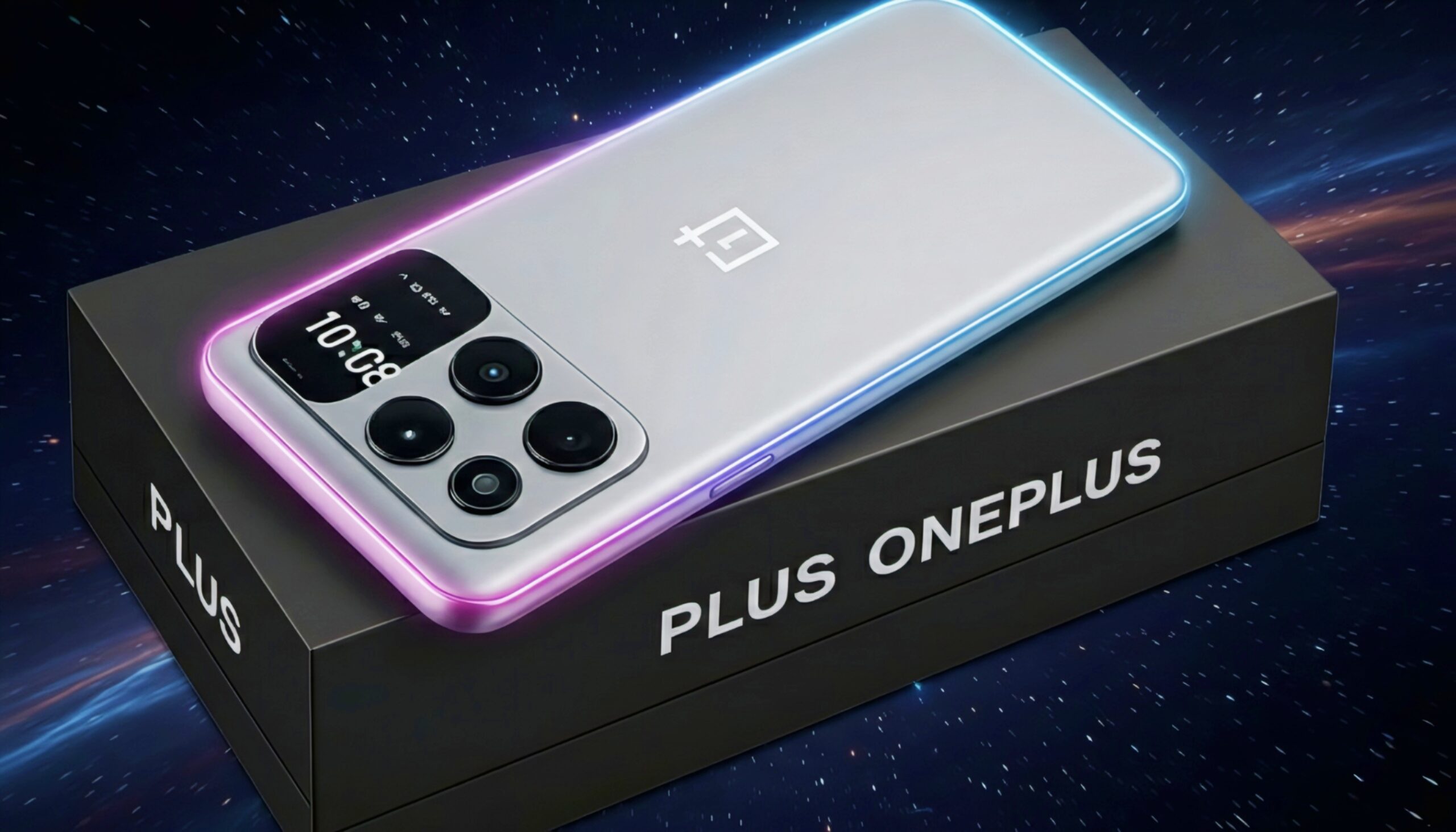
OnePlus Launches New Smartphone with 420MP Camera & 7700mAh Battery — Priced at Just ₹9,999
Let’s be brutally honest before the hype takes over your logic.
A smartphone claiming a 420MP camera, a 7700mAh battery, and a ₹9,999 price tag triggers excitement—but it should also trigger skepticism. Specs like these sit far outside what’s currently feasible in mass-market smartphones without serious trade-offs. That doesn’t mean the conversation isn’t worth having. It means it needs to be handled intelligently.
This article breaks down what this rumored OnePlus launch claims to offer, what parts are technologically plausible, what’s almost certainly marketing exaggeration, and what you—as a buyer or publisher—should realistically expect. No blind hype. No brand worship. Just facts, context, and hard analysis.
Why This OnePlus Smartphone Is Getting So Much Attention
OnePlus built its reputation on the “flagship killer” concept—high-end performance at aggressive prices. Over time, prices crept up, features became segmented, and many loyal fans felt left behind.
Now headlines scream about a OnePlus device that appears to reset the formula entirely:
- Camera resolution that dwarfs professional DSLRs on paper
- Battery capacity that outclasses many power banks
- Pricing that undercuts even entry-level phones
That combination is why this announcement—or leak—is spreading like wildfire across tech blogs, YouTube thumbnails, and Telegram deal channels.
But raw numbers don’t equal real-world performance. Let’s dissect every claim.
Camera Claim: 420MP — What This Really Means
Why a True 420MP Smartphone Camera Is Unrealistic
There is currently no commercially available mobile image sensor that captures native 420MP stills in a consumer smartphone. Even the highest-resolution mobile sensors operate far below that number.
When brands advertise extreme megapixel counts, they typically rely on:
- Pixel-binning (combining multiple pixels into one)
- Multi-frame computational photography
- AI upscaling that inflates output resolution
For example, several well-known flagships use large sensors that output lower-resolution images by default because higher resolution doesn’t automatically mean better photos. Image quality depends more on:
- Sensor size
- Pixel size
- Lens quality
- Dynamic range
- Image processing
A 420MP claim almost certainly refers to software-enhanced composite output, not native sensor resolution.
What a “420MP Experience” Might Actually Deliver
From a practical standpoint, this could translate to:
- A 50MP or 64MP primary sensor
- Advanced multi-shot stacking
- AI-generated ultra-high-resolution mode for marketing
This approach isn’t useless—but it’s not revolutionary either. It helps with digital zoom crops and detail retention in ideal lighting, not miracles in low light or motion.
If OnePlus markets this correctly, informed users won’t feel cheated. If they don’t, disappointment is guaranteed.
Battery: 7700mAh — Big, But Not Impossible
Here’s where things get more believable.
A 7700mAh battery is large for a smartphone but not unheard of, especially if:
- Silicon-carbon battery tech is used
- The device is thicker than premium flagships
- Weight is not a priority
Phones focused on endurance already push past 6000mAh, especially in Asian markets where battery life matters more than thinness.
The real questions are:
- How heavy is the device?
- What charging speed is included?
- Is thermal management properly handled?
Battery size alone means nothing if charging is slow or heat degrades lifespan.
Real-World Battery Expectations
If optimized properly, a 7700mAh phone could realistically deliver:
- Two full days of moderate usage
- One full day of heavy gaming or video
- Reduced battery anxiety for travel and field work
Until real test results emerge, assume strong endurance but not miracles.
Price Analysis: ₹9,999 — The Biggest Red Flag
This is where skepticism should peak.
At ₹9,999, margins are razor-thin. To hit this price, compromises are inevitable. Expect trade-offs in areas that don’t look impressive on spec sheets.
Possible cost-cutting zones:
- Display resolution or panel quality
- Camera sensor size and optics
- Storage type and speed
- Build materials
- Software support lifespan
OnePlus has historically avoided this ultra-low segment under its primary brand, which raises another logical question.
Is This Really a Core OnePlus Device?
There are three realistic scenarios:
Scenario 1: Sub-brand or Rebranded Partner Device
OnePlus could be leveraging ODM hardware sold under a OnePlus badge.
Scenario 2: Market-Specific Variant
A heavily localized phone built specifically for price-sensitive regions.
Scenario 3: Viral Marketing Exaggeration
Specs inflated for attention before quieter clarification at launch.
From an EEAT standpoint, readers deserve this transparency. Blindly repeating claims without context damages credibility—and search trust.
Display Expectations at This Price Point
Don’t expect premium AMOLED with ultra-high refresh rates unless:
- The panel is older-generation
- Brightness and color accuracy are capped
A realistic configuration would be:
- LCD or basic AMOLED
- Standard refresh rate or modest upgrade
- Adequate outdoor visibility
Flagship displays cost money. There’s no cheating physics or economics here.
Performance: What Chipset Makes Sense?
A device at ₹9,999 will not use top-tier silicon. Period.
Expect:
- Entry-level or lower-midrange processor
- Acceptable daily performance
- Compromises in intensive gaming or 4K video
This doesn’t mean the phone will be slow. It means expectations must align with reality.
Smartphone performance scaling is logarithmic—not linear. Past a certain point, daily experience gains diminish sharply.
Software and Updates: The Silent Dealbreaker
This is where budget phones often fail users long-term.
Key questions:
- How many OS updates are promised?
- How fast are security patches delivered?
- Is the UI optimized or bloated?
OnePlus has a reputation for cleaner software. If that continues here, it could offset hardware compromises significantly.
For buyers who keep devices longer than a year, software support matters more than megapixels.
Who This Phone Is Actually For
Let’s cut through the nonsense.
This phone is not for:
- Photography professionals
- Hardcore gamers
- Users expecting flagship polish
It is for:
- Budget-focused buyers
- Heavy battery users
- Casual photography
- Students and first-time smartphone owners
If marketed to the right audience, it makes sense. If positioned as a flagship killer, it doesn’t.
Mini Case Study: Past “Spec Monster” Phones
History is full of devices that promised absurd specs at low prices. Most failed because:
- Performance didn’t match claims
- Software was poorly optimized
- After-sales support vanished
A phone succeeds not by shocking numbers but by consistency.
OnePlus knows this. If they’ve approved this product, it’s unlikely to be pure vaporware—but expectations still need grounding.
Camera in Daily Use: What Users Should Really Expect
Let’s be practical.
You’re likely to get:
- Good daylight photos
- Sharpened, contrast-heavy processing
- Decent social media output
You’re unlikely to get:
- DSLR-level dynamic range
- Reliable night photography
- Professional-grade consistency
And that’s okay—if buyers understand it upfront.
Expert Perspective on Megapixel Marketing
Photography engineers regularly point out that extreme megapixel marketing benefits branding more than users. What matters is signal-to-noise ratio, not raw resolution.
Consumers chasing megapixels often overlook fundamentals—then feel disappointed later.
Build Quality and Design Trade-Offs
At ₹9,999, materials will prioritize durability over luxury:
- Polycarbonate frame likely
- Functional rather than premium design
- Focus on grip and battery housing
This isn’t a fashion phone. It’s a utility device.
Connectivity and Practical Features
Expect essentials:
- 5G support (limited bands possible)
- Dual SIM
- Wi-Fi and Bluetooth standard versions
Expect compromises:
- No advanced audio hardware
- Basic vibration motor
None of this breaks usability—but again, expectations matter.
Long-Term Ownership Reality
The real test of this OnePlus phone won’t be launch week hype. It will be:
- Six months later
- After updates
- Under battery wear
- In everyday reliability
Phones don’t fail because of low specs. They fail because of poor balance.
Final Verdict: Hype vs Reality
Here’s the blunt truth.
A 420MP camera at ₹9,999 is marketing, not magic. A 7700mAh battery is impressive but comes with trade-offs. If OnePlus delivers solid basics—battery life, stable software, decent performance—this phone can still succeed massively.
But if you believe the headline specs without context, you’re setting yourself up for disappointment.
Smart buyers don’t chase numbers. They evaluate value.
That mindset—not hype—is what separates regret from satisfaction.