
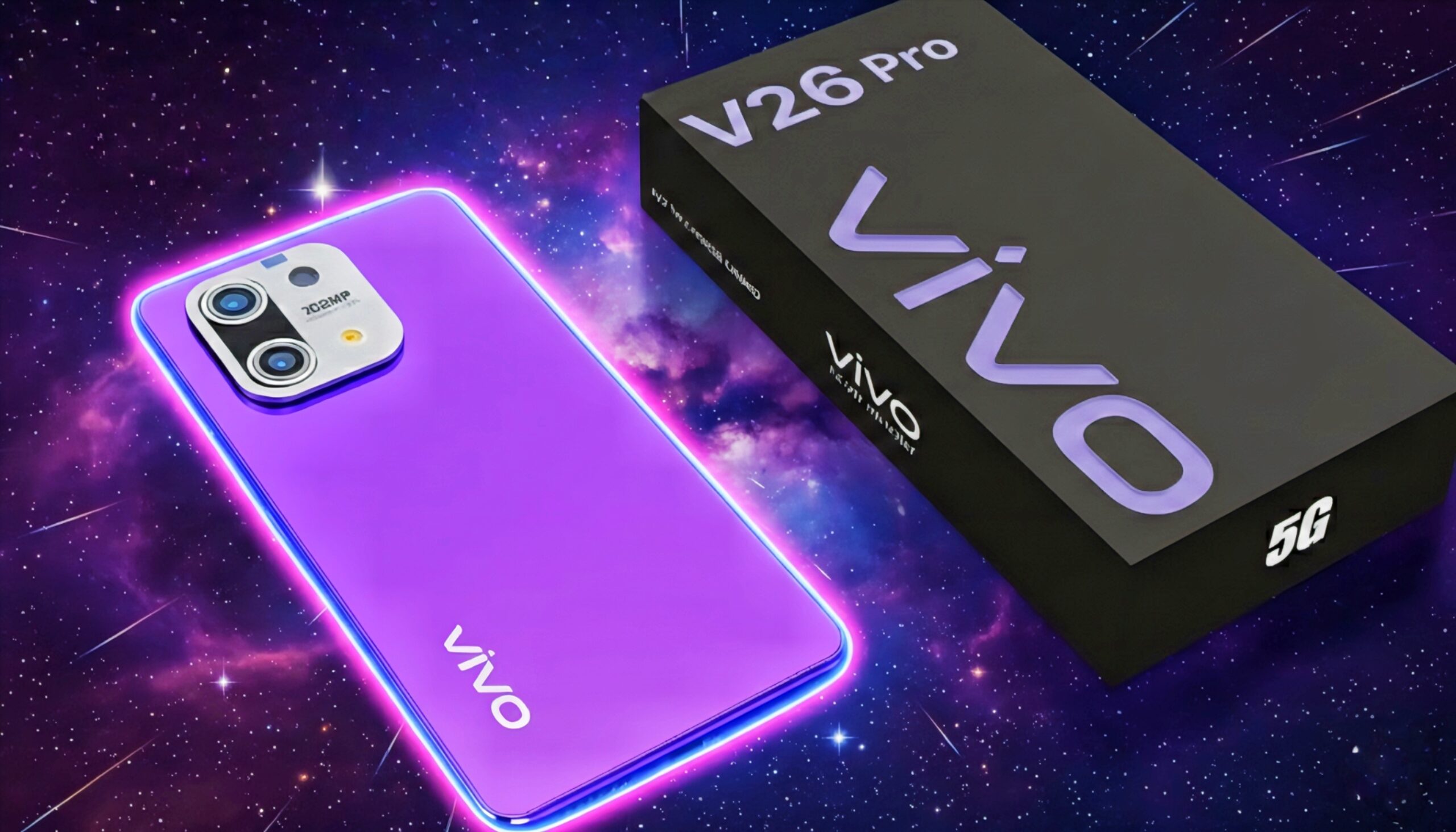
Vivo V26 Pro 5G Launched at ₹11,499 – A Reality Check on Specs, Price, and Value
The smartphone market is flooded with exaggerated claims. Every other launch screams “flagship killer,” unrealistic megapixel counts, and charging speeds that sound more like science fiction than consumer electronics. So when the Vivo V26 Pro 5G is announced with a 260MP camera, 160W fast charging, and a massive curved AMOLED display at just ₹11,499, skepticism is not optional—it’s mandatory.
Instead of swallowing hype, this article breaks down what actually matters. Specs will be examined logically, pricing will be compared against the competition, and the phone’s real-world value will be judged without bias. If something sounds too good to be true, it will be questioned—because that’s how informed buying decisions are made.
Vivo V26 Pro 5G Overview: What Vivo Is Trying to Do Here
Vivo’s strategy is obvious. It wants dominance in the budget-to-midrange segment by throwing headline specs at buyers who compare phones based on numbers, not engineering depth. The Vivo V26 Pro 5G is positioned to disrupt the sub-₹15,000 category by offering features traditionally reserved for phones costing twice as much.
The real question isn’t whether the specs look attractive—they obviously do. The real question is whether those specs translate into daily usability, reliability, and long-term satisfaction.
Design Philosophy: Premium Looks, Practical Compromises
Vivo is well known for delivering visually attractive phones, and the Vivo V26 Pro 5G continues that trend.
Key Design Highlights
- Curved-edge AMOLED display
- Ultra-slim profile with glossy back panel
- Center-aligned camera module
- Lightweight construction despite large screen size
The curved display instantly gives the device a premium aesthetic. Casual buyers equate curved screens with expensive flagships—and Vivo is playing directly into that psychology.
However, curved displays come with trade-offs:
- Higher accidental touch rates
- Increased risk of display damage
- More expensive screen replacements
From a usability standpoint, flat displays are more practical. Vivo’s choice here is aesthetic, not functional.
6.9-Inch Curved AMOLED Display: Big, Bright, and Power-Hungry
The 6.9-inch curved AMOLED display is one of the phone’s biggest selling points.
Display Specifications Breakdown
- AMOLED panel for deep blacks and vibrant colors
- High refresh rate for smoother scrolling
- Curved edges on both sides
- High screen-to-body ratio
In daily usage, the display excels for:
- Video streaming
- Gaming immersion
- Social media consumption
- Reading long-form content
That said, a display this large drains battery faster, especially at high brightness levels. AMOLED helps reduce power consumption compared to LCD, but physics still applies—bigger screen equals higher energy demand.
For users who primarily consume video content, this is a strong plus. For compact-phone fans, it’s a hard no.
260MP Camera: Marketing Flex or Meaningful Upgrade?
Let’s be brutally honest. Megapixels alone do not guarantee image quality. Anyone telling you otherwise is either ignorant or deliberately misleading.
What a 260MP Camera Actually Means
A 260MP sensor typically uses pixel-binning technology. In simple terms:
- Multiple pixels combine to form one larger pixel
- Final output images are usually 12MP to 16MP
- Higher megapixel count helps with detail retention, not light sensitivity
If Vivo has paired the sensor with:
- Decent optics
- Strong image processing
- Stable software algorithms
Then the camera can perform very well in daylight. Low-light performance, however, depends far more on sensor size and processing than on megapixels.
Practical Camera Performance Expectations
- Excellent daylight detail
- Sharp portraits with AI enhancement
- Decent night shots with software optimization
- Average ultra-wide and macro performance
This is not a DSLR replacement. It’s not even a flagship camera system. It’s a mid-range camera boosted by aggressive marketing.
Video Recording: More Than Just Resolution
Vivo claims advanced video capabilities, but raw camera resolution does not equal professional-grade video.
What matters more:
- Stabilization
- Bitrate
- Audio capture
- Autofocus accuracy
Expect:
- Smooth 4K recording in good lighting
- Acceptable stabilization for casual videos
- Noticeable quality drop in low light
This phone is fine for reels, shorts, and casual content creation—not filmmaking.
160W Fast Charging: Fast, Yes. Necessary? Debatable.
This is another headline feature that needs context.
What 160W Charging Really Offers
- 0–100% battery charge in under 20 minutes (claimed)
- Reduced downtime
- Convenient for power users
But here’s the inconvenient truth:
- Faster charging increases heat
- Heat degrades battery health over time
- Long-term durability is questionable
Vivo likely includes thermal management systems, but physics always wins. Slower charging preserves battery lifespan better.
If you charge overnight, 160W is irrelevant. If you’re always in a rush, it’s useful.
Battery Capacity: Size Matters More Than Speed
Vivo pairs fast charging with a large battery, which is the right approach.
Battery Usage Scenarios
- One full day with heavy usage
- Up to two days with moderate usage
- Gaming drains battery quickly due to large screen
The combination of a big battery and aggressive charging masks high power consumption rather than solving it.
Performance and Processor: The Quiet Truth
Vivo hasn’t focused heavily on marketing the processor—and that usually means it’s not cutting-edge.
Realistic Expectations
- Smooth daily usage
- No lag in social media or streaming
- Acceptable gaming on medium settings
- Thermal throttling during extended heavy gaming
This is not a performance monster. It’s optimized for mainstream users, not gamers chasing high FPS.
If gaming is your priority, Snapdragon-based alternatives offer better sustained performance at similar prices.
Software Experience: Polished but Heavy
Vivo’s software is visually appealing but not minimal.
What You’ll Like
- Customization options
- Smooth animations
- Feature-rich camera app
What You Won’t
- Preinstalled apps
- Occasional notification spam
- Delayed major updates compared to stock Android
Vivo has improved update reliability, but it still lags behind brands like Samsung in long-term software support.
5G Connectivity: Practical for the Future
The Vivo V26 Pro 5G supports multiple 5G bands, making it reasonably future-proof.
That said, 5G coverage quality depends more on carriers than smartphones. In many areas, 4G still delivers better stability and battery efficiency.
Audio, Haptics, and Daily Comfort
Often ignored but crucial elements.
- Loudspeaker volume is adequate, not exceptional
- Bass response is limited
- Haptic feedback feels average
- Call quality is clear in most environments
Nothing stands out. Nothing disappoints either.
Security and Biometrics
- In-display fingerprint sensor
- Face unlock support
Fingerprint accuracy is good, though optical sensors are slower than ultrasonic ones.
Storage and RAM: Enough for Most Users
Vivo offers sufficient RAM and storage for:
- Multitasking
- Media storage
- App-heavy usage
Expandable storage may be absent, which is an important consideration for power users.
Real-World User Case Studies
Case 1: College Student
- Heavy social media use
- Streaming and casual gaming Result: Excellent value for money
Case 2: Content Consumer
- YouTube, Netflix, browsing
- Long screen-on time Result: Display shines, battery holds up
Case 3: Mobile Gamer
- Long gaming sessions
- High performance demands Result: Average performance, not ideal
Price Analysis: ₹11,499 – Smart Pricing or Risky Promise?
At ₹11,499, Vivo is dangerously close to undercutting competitors while overpromising specs.
This pricing:
- Attracts spec-sheet shoppers
- Increases volume sales
- Raises expectations unrealistically
If Vivo delivers consistency and reliability, this is excellent value. If corners are cut in durability or quality control, trust erodes quickly.
Vivo V26 Pro 5G Pros and Cons
Pros
- Stunning AMOLED display
- Extremely fast charging
- Eye-catching design
- Competitive pricing
Cons
- Megapixel count is mostly marketing
- Curved display fragility
- Software bloat
- Average gaming performance
Should You Buy the Vivo V26 Pro 5G?
Buy it if:
- You want a premium-looking phone on a budget
- Camera specs matter more than technical depth
- Fast charging is a priority
Skip it if:
- You want clean software
- You’re a serious gamer
- You prefer practical, durable design over aesthetics
Final Verdict: Hype with Some Substance
The Vivo V26 Pro 5G is not a scam, but it’s not magic either. It’s a calculated product designed to dominate attention rather than redefine standards.
It delivers impressive visuals, solid everyday performance, and eye-catching features at an aggressive price. But it relies heavily on marketing language and exaggerated numbers.
If you understand what you’re buying—and what you’re not—this phone can be a smart purchase. If you believe megapixels and watts tell the full story, disappointment is likely.
Smart buyers look beyond numbers. This phone rewards those who do.