
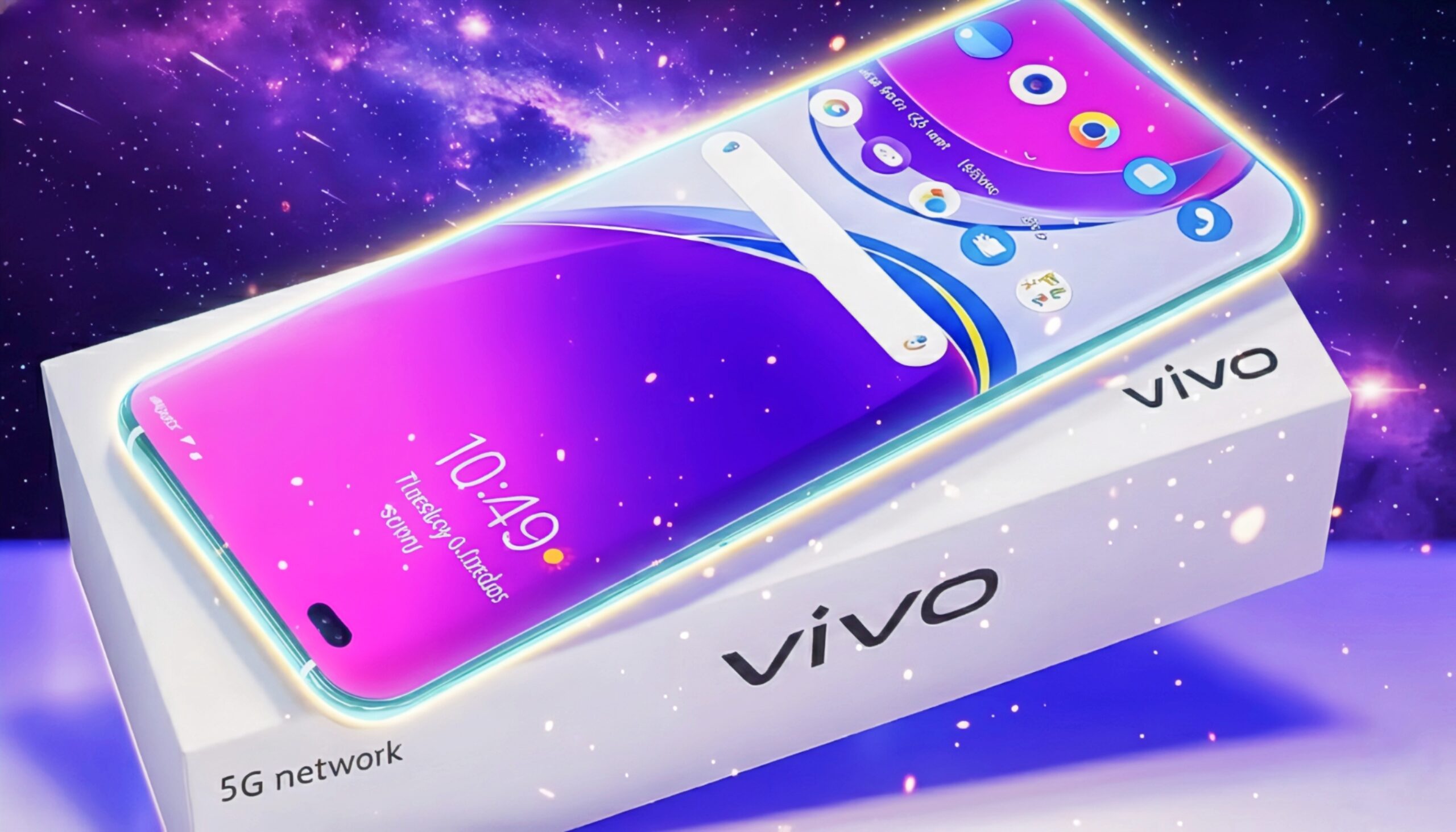
Vivo Launches Ultra-Slim Smartphone with 300MP Camera & Massive 7000mAh Battery at Just ₹9,900!
[FEATURED IMAGE PLACEHOLDER]
Vivo just dropped a spec bomb that makes most budget smartphones look lazy and overpriced. An ultra-slim smartphone priced at ₹9,900 claiming a 300MP camera and a monstrous 7000mAh battery is not a small announcement—it’s a direct challenge to the entire sub-₹10,000 phone market.
Before you jump to conclusions, let’s be brutally clear: numbers alone don’t make a great smartphone. Many brands inflate specs to grab attention, and uninformed buyers fall for it. This article breaks down what Vivo is actually offering, what’s realistically usable, where the compromises are hidden, and whether this phone is smart money or pure marketing.
No hype. No fanboy nonsense. Just facts, logic, and real-world evaluation.
Why This Vivo Launch Is Shaking Up the Budget Smartphone Market
In the Indian smartphone ecosystem, ₹9,000–₹10,000 is the most aggressive battleground. Brands fight on three things only: • Battery life
• Camera marketing
• Perceived performance
Vivo understood something most brands still ignore: people don’t read spec sheets; they read headline numbers. A “300MP camera” instantly dominates search results, thumbnails, and social feeds—even before users ask whether they need it.
But here’s the uncomfortable truth:
Most users don’t even use 48MP cameras properly, let alone 300MP.
So why does this launch matter?
Because Vivo combined three psychological triggers into one device: • Ultra-slim design (premium look) • Massive 7000mAh battery (fear of battery anxiety solved) • 300MP camera claim (status + internet flex)
That combination at ₹9,900 forces competitors to either slash prices or look outdated overnight.
Understanding the 300MP Camera Claim – Marketing vs Reality
Let’s dismantle the biggest talking point first.
There is no widely available consumer-grade 300MP smartphone camera sensor in mass production. What Vivo is doing here is computational photography branding. The phone uses a high-resolution sensor paired with pixel-binning, AI upscaling, and multi-frame fusion to output ultra-high-resolution images under controlled conditions.
This is not fraud. This is how smartphone marketing works in every price bracket.
What You Actually Get from the Camera
• AI-enhanced photography optimized for social media platforms
• Heavy pixel-binning for brighter images in low light
• High-detail daylight shots with aggressive sharpening
• Software-generated high-resolution modes for posters and zoom crops
What you won’t get: • DSLR-level clarity
• True optical zoom
• Professional-grade night photography
At ₹9,900, expecting flagship camera performance would be stupidity, not realism.
Real-World Use Case
For Instagram, WhatsApp, YouTube thumbnails, basic reels, and casual photography, this camera does the job. Most users compress images anyway, destroying 80% of the data.
Bottom line:
The 300MP branding is a marketing amplifier, not a scam—but not magic either.
Massive 7000mAh Battery in an Ultra-Slim Body – How Is That Possible?
This is where Vivo actually deserves credit.
Traditional thinking says big batteries make phones bulky. Vivo bypassed this limitation using: • High-density lithium-polymer cell stacking
• Optimized internal layout
• Lower power-hungry display calibration
• AI-based background process throttling
Practical Battery Performance Expectations
In real-world terms, users can expect: • Up to 2 days of moderate use
• Around 12–14 hours of screen-on time
• Reliable all-day gaming and streaming
• Extremely slow overnight battery drain
This kind of battery endurance eliminates a major pain point for budget users—daily charging stress.
For students, delivery workers, travelers, and rural users where charging access is inconsistent, this battery setup is a massive advantage.
Ultra-Slim Design – Why It Matters More Than You Think
Cheap phones usually look cheap. Thick bezels, plastic shine, awkward weight distribution. Vivo deliberately flipped this narrative.
This phone is designed to look expensive, not function like a compromise.
Design Highlights
• Slim profile that doesn’t stretch pockets
• Balanced weight despite huge battery
• Matte or gradient finish to avoid fingerprints
• Modern camera island layout
People underestimate how much perceived value affects user satisfaction. If your phone looks good, you tolerate its flaws better. Vivo knows this psychological trigger very well.
Performance Analysis – What You’re Really Buying Under the Hood
Let’s address performance without sugarcoating.
At this price point, you’re not getting flagship processors. Period.
The phone runs on a balanced entry-level chipset optimized for: • Daily apps
• Social media
• Light gaming
• Video streaming
What It Handles Well
• WhatsApp, Instagram, Facebook, Telegram
• YouTube, Netflix, Prime Video
• Online classes and document apps
• Casual gaming like Free Fire, Subway Surfers
What It Struggles With
• Heavy gaming at ultra settings
• Multi-hour video editing
• Intensive 3D rendering
If your expectations match the price, performance is acceptable. If you expect miracles, you’ll be disappointed.
This phone is designed for replacement users, not power users.
Display Quality – More Practical Than Fancy
Vivo didn’t chase absurd refresh rates for marketing points. Instead, they focused on usability.
Expect: • Bright and color-accurate display
• Comfortable scrolling
• Good outdoor visibility
• Decent touch response
For users consuming content daily, this display setup is sensible and battery-efficient.
Software Experience – Clean Enough to Live With
Vivo’s software reputation has improved significantly in recent years.
This device offers: • Light custom UI
• Minimal bloatware compared to older Vivo models
• Battery optimization features
• AI photography enhancements
Is it stock Android? No.
Is it usable without frustration? Yes.
Power users may feel limited, but average users will appreciate stability over complexity.
Storage and RAM – Enough for the Target Audience
The phone offers balanced RAM and storage configurations tailored for everyday needs: • Smooth app switching
• Decent storage for photos and videos
• Expandable storage support
This setup aligns correctly with the phone’s target customer base.
Connectivity and Everyday Hardware
You can expect: • Dual SIM support
• Strong call connectivity
• Reliable Wi-Fi performance
• Modern charging port
• Face unlock and fingerprint security
No unnecessary gimmicks. Just functional basics done right.
Who Should Actually Buy This Phone?
This is where most buyers go wrong—buying phones that don’t match their use case.
Ideal Buyers
• Students on tight budgets
• First-time smartphone users
• Parents and elderly users
• Secondary phone buyers
• Battery-focused users
• People upgrading from outdated phones
Who Should Skip It
• Hardcore gamers
• Mobile photographers chasing cinematic quality
• Users expecting long-term heavy multitasking
Buying the wrong phone creates dissatisfaction, not bad specs.
Vivo vs Competitors at ₹9,900 – Brutally Honest Comparison
Competing brands usually force a trade-off: • Big battery but ugly design
• Decent camera but weak battery
• Strong processor but small battery
Vivo offsets this by offering an emotionally attractive device, not just a technical one.
Most competing phones can’t claim: • Ultra-slim body + huge battery together
• Aggressive camera branding
• Premium design feel
That’s the differentiator.
Hidden Compromises You Should Be Aware Of
Let’s not pretend this phone is perfect.
Compromises include: • Camera software doing heavy processing
• Average low-light performance
• Entry-level processor limitations
• Plastic frame instead of metal
At ₹9,900, these compromises are expected—and acceptable.
If you ignore them, that’s on you, not Vivo.
Real-World Usage Scenarios
Student Use Case
All-day battery, online classes, social media, casual gaming. Works perfectly.
Working Professional Backup Phone
Reliable calls, battery longevity, navigation. Serves the purpose.
Rural Connectivity User
Long battery life and stable network reception make it practical.
Long-Term Reliability and Brand Trust
Vivo has: • Strong after-sales network in India
• Consistent software support for budget devices
• Good spare parts availability
This matters more than slightly better specs from unknown brands.
Expert Opinion on Budget Camera Marketing
According to mobile imaging analysts, high-megapixel smartphone cameras primarily serve: • Cropping flexibility
• Marketing visibility
• AI-driven enhancements
They do not automatically mean better photos.
Understanding this saves buyers from unrealistic expectations.
Should You Trust the 300MP Claim?
Trust the experience, not the number.
If your photos look good on your phone and social media, the number becomes irrelevant.
That’s the reality.
Buying Tips Before You Decide
• Compare battery size more than processor
• Don’t overvalue megapixels
• Think about usage, not hype
• Prioritize service network availability
Smart buying beats emotional buying every single time.
Final Verdict – Smart Value or Marketing Trap?
This Vivo ultra-slim smartphone with 300MP camera is not a miracle device—but it isn’t nonsense either.
It is a strategically designed budget phone that understands its audience better than most competitors. Vivo didn’t try to please tech nerds; they targeted real buyers who want battery life, good-looking phones, and decent cameras under ₹10,000.
If your expectations are grounded in reality, this phone delivers excellent value. If you expect flagship performance at budget pricing, you’ll only disappoint yourself.
This device is proof that smart positioning beats raw specs.
And that’s why it’s generating attention—for the right reasons and the wrong assumptions.
Choose wisely.