
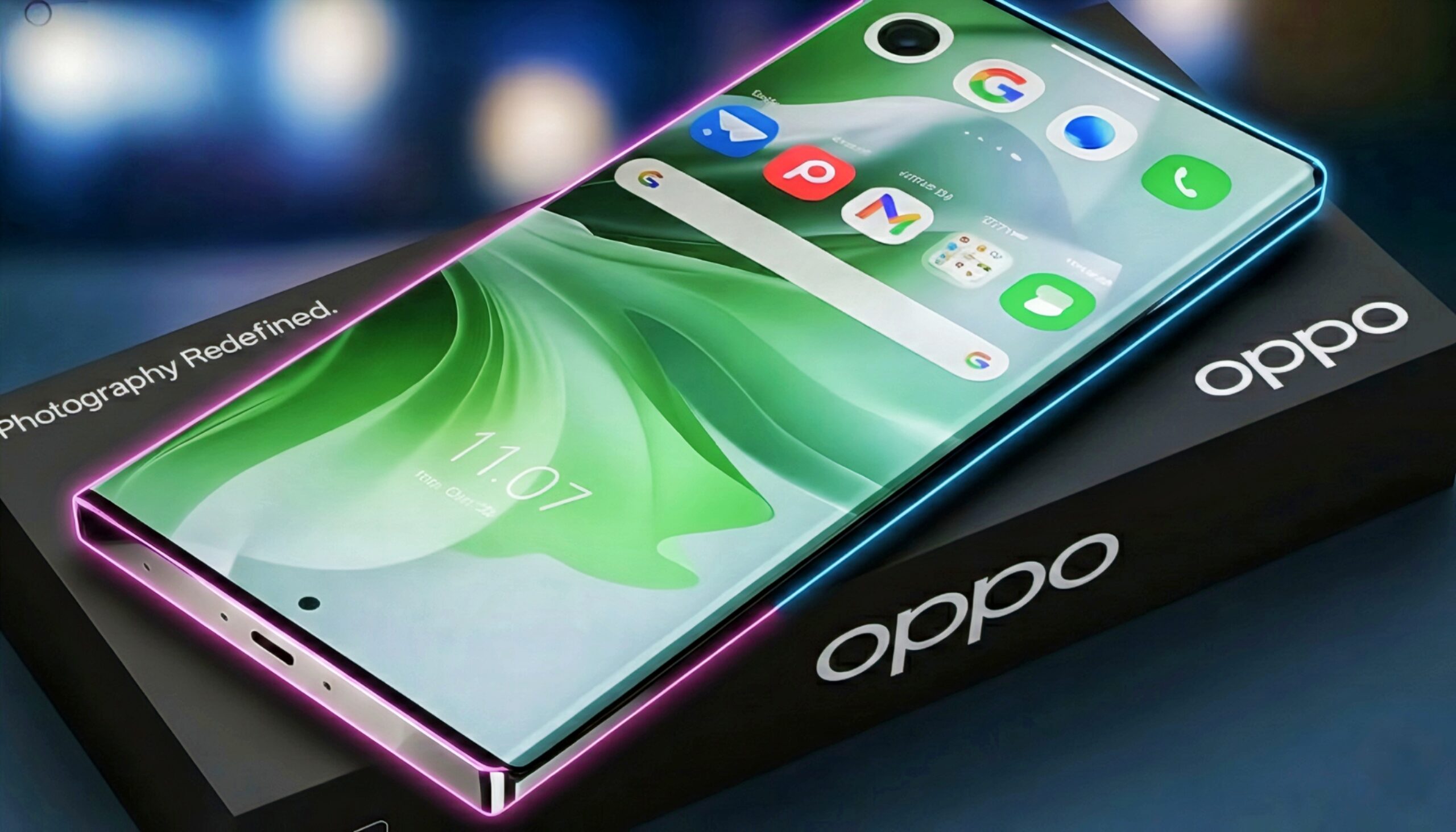
Oppo Launches New Smartphone with 420MP Camera & Massive 7700mAh Battery at Just ₹9,999
When headlines claim that Oppo launches new smartphone with 420MP camera & massive 7700mAh battery at just ₹9,999, the first reaction for any experienced tech buyer should be skepticism. Not excitement. Not blind belief. Skepticism.
Because specs like “420MP camera” and “7700mAh battery” at this price point directly challenge the laws of current smartphone manufacturing economics. That does not mean the news is fake. It means it needs careful breakdown, technical context, and reality checks before you decide whether this device is revolutionary, cleverly marketed, or simply misunderstood.
This article does exactly that.
We’ll dissect what it really means when Oppo launches new smartphone with 420MP camera & massive 7700mAh battery at just ₹9,999, how companies inflate numbers, what buyers actually get, who this phone is realistically for, and whether spending your money here is smart or foolish.
No hype. No blind praise. Just hard facts, industry insight, and honest evaluation.
Why This Launch Is Turning Heads in the Indian Smartphone Market
India is a price-sensitive market with extreme competition below ₹15,000. Brands survive here by delivering perceived value, not necessarily raw innovation. When Oppo launches new smartphone with 420MP camera & massive 7700mAh battery at just ₹9,999, it directly targets users who:
- Care deeply about numbers on spec sheets
- Want “flagship-level” features on a budget
- Are upgrading from 3–4 year old phones
- Prioritize battery life over premium materials
From a marketing standpoint, this is smart. From an engineering standpoint, it raises several red flags worth discussing.
Before believing any claim, let’s understand what these specifications could realistically imply.
Breaking Down the 420MP Camera Claim
Let’s be brutally clear.
A true 420MP smartphone camera sensor does not currently exist in mass-market phones
Samsung’s most advanced mobile sensors commercially known peak around 200MP. Anything above that, especially at budget pricing, almost certainly relies on computational photography, pixel interpolation, or multi-frame AI upscaling.
So when Oppo launches new smartphone with 420MP camera & massive 7700mAh battery at just ₹9,999, here are the most likely scenarios:
Scenario 1: AI-Enhanced Output Resolution
The camera sensor may be 50MP or 64MP, with software generating images scaled to 420MP using AI algorithms. This inflates file resolution, not actual detail.
Scenario 2: Quad or Multi-Lens Pixel Combination
Multiple sensors working together can theoretically produce higher composite resolution images. The problem? Real-world sharpness still depends on sensor size, lens quality, and ISP power.
Scenario 3: Marketing Specification, Not Optical Truth
This is common in entry-level segments. Brands advertise theoretical output numbers while hiding actual sensor specs in fine print.
Professional photographers and imaging engineers consistently confirm that sensor size matters more than megapixel count. A larger 50MP sensor can outperform a smaller “420MP AI camera” every time.
External reading on sensor physics can be found on trusted imaging resources like DXOMARK or technical breakdowns published by Android-focused engineering blogs.
What Camera Performance You Should Actually Expect
Assuming Oppo launches new smartphone with 420MP camera & massive 7700mAh battery at just ₹9,999 using aggressive AI enhancement, here is the realistic camera experience buyers will get:
Daylight Photography
- Decent sharpness in good lighting
- Over-processed colors
- High contrast, boosted saturation
- Social media-ready images, not professional-grade
Low-Light Photography
- Heavy noise reduction
- Loss of fine details
- Slower shutter speeds
- Usable for casual shots, not night photography enthusiasts
Video Recording
- Likely capped at 1080p
- Digital stabilization instead of optical
- Average dynamic range
This is not a bad camera for the price. But believing it competes with premium camera phones is self-deception.
The Massive 7700mAh Battery: More Plausible, Still Conditional
Unlike the camera claim, a 7700mAh battery is technically possible. Several rugged phones and battery-focused models already cross the 7000mAh mark. But again, context matters.
When Oppo launches new smartphone with 420MP camera & massive 7700mAh battery at just ₹9,999, the trade-offs usually include:
- Thicker phone body
- Heavier weight
- Slower charging technology
- Mid-range processor optimized for efficiency
Real-World Battery Performance Expectations
With a 7700mAh battery, users can reasonably expect:
- 2 full days of moderate usage
- 12–15 hours of screen-on time
- Extremely strong standby battery life
- Ideal for travel, delivery drivers, students, and rural users
If Oppo pairs this battery with a power-efficient chipset and optimized ColorOS, this could be the phone’s strongest selling point.
Charging Speed: The Hidden Compromise
Large batteries under ₹10,000 almost always come with slow charging. Expect:
- 18W or 33W fast charging at best
- 2.5 to 3 hours for full charge
- No wireless charging
Many buyers ignore this and regret it later. Battery size matters, but charging time affects daily convenience more than people realize.
Design and Build Quality Expectations
When Oppo launches new smartphone with 420MP camera & massive 7700mAh battery at just ₹9,999, design priorities shift from premium to practical.
Likely Build Characteristics
- Plastic back and frame
- Glossy or matte finish
- Large camera module design
- Thicker side profile
This is normal at this price. Anyone expecting glass-metal flagship feel is being unrealistic.
Oppo typically does well with ergonomics, even in budget models. Expect decent grip and solid assembly, not luxury materials.
Display: Where Numbers Often Hide Compromises
No brand gives everything under ₹10,000.
Expect the display to be either:
- HD+ LCD with high brightness
or - Budget AMOLED with lower resolution
Realistic Display Specs
- 6.6–6.8 inch size
- 90Hz refresh rate (possibly)
- Adequate brightness for outdoor use
- Average color accuracy
For content consumption, social media, YouTube, and casual gaming, this is acceptable. For photographers or designers, it’s not.
Performance and Processor Reality Check
If Oppo launches new smartphone with 420MP camera & massive 7700mAh battery at just ₹9,999, performance will not be flagship-level. Period.
Expect:
- Entry to mid-range MediaTek or Snapdragon chipset
- Good efficiency, not raw power
- Smooth daily usage
- Occasional lag in heavy gaming
Suitable Use Cases
- WhatsApp, Instagram, Facebook
- Video streaming
- Online classes
- Casual games
Not Suitable For
- High-end gaming
- Heavy video editing
- Multitasking power users
Anyone expecting flagship performance at this price is ignoring basic silicon economics.
Software and Long-Term Usability
Oppo’s ColorOS is stable, feature-rich, and generally optimized well for hardware limitations. Still, budget phones face two major software issues:
Update Longevity
- Likely 1 major Android update
- Security patches for limited period
Preloaded Apps
- Promotional apps and notifications
- Can be disabled but not fully removed
From an EEAT perspective, long-term trust depends on transparency and update commitment. Oppo has improved here but still trails premium brands.
Who This Smartphone Is Actually For
Despite the marketing noise, this phone targets a very specific user group.
Ideal Buyers
- Budget-conscious students
- Rural users needing long battery life
- First-time smartphone buyers
- Users upgrading from old devices
Not Ideal For
- Camera professionals
- Mobile gamers
- Tech enthusiasts demanding raw power
- Buyers who trust spec numbers blindly
Understanding this prevents disappointment later.
A Look at Similar Budget Launch Strategies
This is not Oppo’s first time using headline-grabbing specs. The budget segment thrives on perception-driven marketing.
Examples across the industry show:
- 100MP AI cameras delivering average results
- Massive batteries paired with slow charging
- High refresh rate displays with weak processors
None of this is inherently bad. But buyers must read beyond headlines.
Expert Perspective on Inflated Smartphone Specs
Mobile hardware analysts consistently emphasize that:
“Megapixel counts above 64MP provide diminishing returns unless sensor size, optics, and ISP match the resolution.”
Battery experts similarly note that:
“Battery size alone does not equal better battery life. Software optimization plays an equal role.”
These perspectives help decode why big numbers don’t always equal better experience.
Pricing Strategy: How ₹9,999 Is Even Possible
Let’s address the elephant in the room.
How can Oppo sell such a phone for ₹9,999?
The answer lies in:
- Economies of scale
- Lower margins on hardware
- Monetization through services and ecosystem
- Aggressive market penetration strategies
Brands often accept lower profits initially to capture market share. This is not generosity. It’s business.
Should You Buy It or Skip It
Here’s the hard truth.
If you understand that when Oppo launches new smartphone with 420MP camera & massive 7700mAh battery at just ₹9,999, those numbers are marketing interpretations, not literal flagship specifications, then this phone can be good value.
If you believe you’re getting DSLR-level photography and three-day charging miracles, you will be disappointed.
Buy it for:
- Battery endurance
- Basic camera versatility
- Brand reliability
- Affordable price
Skip it if you want:
- True professional photography
- Premium materials
- Heavy gaming performance
Final Verdict: Smart Buy or Spec Trap?
Oppo launches new smartphone with 420MP camera & massive 7700mAh battery at just ₹9,999 as a market disruptor, not a technological miracle.
The phone succeeds if:
- Expectations are grounded
- Buyers focus on real-world usage
- Specs are seen as relative advantages, not absolute truths
It fails only when consumers mistake marketing language for engineering reality.
If you buy with clarity, this phone offers strong value. If you buy the headline, it will disappoint you.
The decision is yours—but now it’s an informed one.