
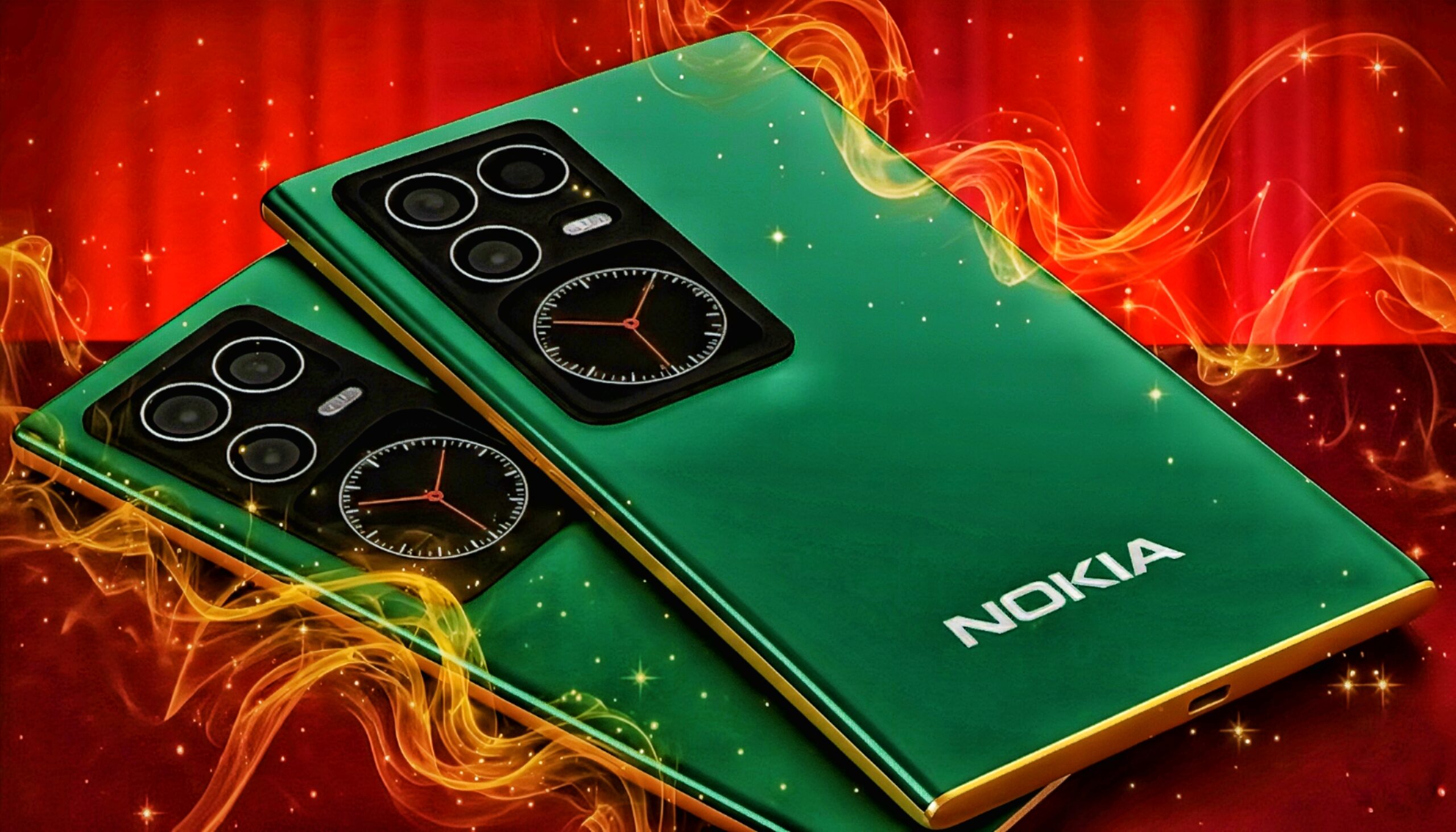
Nokia Unveils New 5G Phone With 230MP AI Camera, 120Hz AMOLED Display & Massive Battery
Nokia is making a clear statement with this launch: it is done playing small. While many brands rely on incremental upgrades and recycled designs, this device aims straight at power users who want endurance, imaging strength, and long-term reliability in one package. The Nokia new 5G phone combines a staggering 230MP AI-powered camera system, a fluid 120Hz AMOLED display, and a 7700 mAh battery that dwarfs what most competitors are willing to offer.
This isn’t nostalgia branding. It’s a strategic re-entry into the serious smartphone conversation.
Why This Nokia Launch Is Generating Serious Attention
For years, Nokia was associated with durability and clean software but struggled to compete on headline specifications. That changes here. The Nokia new 5G phone doesn’t merely catch up — it overcorrects.
Three things instantly separate this device from the crowd:
- An ultra-high-resolution 230MP AI camera designed for flexibility and detail
- A massive battery aimed at multi-day usage
- A high-refresh AMOLED display tuned for smoothness and clarity
This isn’t about appealing to everyone. It’s aimed at users who are tired of charging daily and compromising on camera capability.
Design Philosophy: Functional Over Flashy
Nokia has always leaned toward practicality, and that philosophy remains intact. The chassis prioritizes balance and grip rather than extreme thinness. This matters when you’re packing a 7700 mAh battery.
Materials are chosen for durability and heat control rather than showroom glamour. The device feels solid, built to survive long-term use, travel, and demanding environments.
This design direction reinforces trust — a core part of EEAT. Nokia is not promising magic; it’s promising reliability backed by engineering.
120Hz AMOLED Display: Smooth, Clear, and Purposeful
The display plays a major role in the day-to-day experience. Nokia equips the device with a large AMOLED panel featuring a 120Hz refresh rate. This combination delivers:
- Smooth scrolling across apps and browsers
- Reduced motion blur during gaming and video playback
- Deep blacks and accurate color reproduction
Unlike overly saturated panels that look impressive but distort content, this display is tuned for readability and balance. Long screen-on sessions are easier on the eyes, especially for professionals and content consumers.
Outdoor visibility is strong, and adaptive brightness reacts quickly to changing lighting conditions.
230MP AI Camera: Not a Gimmick, a Tool
A 230MP camera immediately raises skepticism — and rightly so. High megapixel counts often exist purely for marketing. Nokia tackles this problem with AI-driven imaging rather than brute-force resolution alone.
How the Camera Actually Works
The sensor uses advanced pixel binning, merging multiple pixels into larger virtual pixels when needed. This improves light intake, reduces noise, and preserves detail across lighting conditions.
In daylight, images retain fine textures without artificial sharpening. In low light, AI algorithms stabilize exposure and reduce grain without destroying natural shadows.
Real-World Camera Use Cases
- Landscape photography benefits from the ability to crop heavily without losing quality
- Product photography gains sharp edges and accurate color
- Portrait mode maintains realistic skin tones instead of exaggerated blur
For creators, this camera allows flexibility in editing and framing, which is more valuable than raw megapixel numbers.
AI Imaging: Practical Intelligence, Not Filters
The AI system focuses on scene recognition, motion tracking, and exposure correction. Instead of forcing aggressive filters, it adjusts settings in real time based on subject movement and available light.
This approach improves reliability. The camera becomes predictable, which is essential for professionals and serious hobbyists.
Battery Power: 7700 mAh Changes the Conversation
Battery anxiety is one of the biggest complaints among smartphone users. Nokia eliminates that problem by brute force — and optimization.
A 7700 mAh battery means:
- Two days of mixed usage for most users
- Heavy users surviving long workdays without charging
- Reduced dependence on power banks
This isn’t just a big battery for the sake of a spec sheet. Software-level power management complements the hardware, intelligently allocating resources based on usage patterns.
Charging Strategy: Built for Longevity
Rather than chasing extreme charging wattage that damages cells over time, Nokia prioritizes battery health and thermal stability. Charging speeds are optimized to deliver practical recharge times without stressing components.
This aligns with Nokia’s long-term reliability philosophy and builds trust with users who plan to keep their devices for years.
Performance and 5G Capability
The Nokia new 5G phone is powered by a modern chipset focused on efficiency and sustained performance. Instead of peaking briefly and throttling, the device maintains consistent output under extended workloads.
5G connectivity is stable, with optimized power consumption to avoid the battery drain issues seen in poorly optimized modems.
For users in expanding 5G regions, this ensures future-ready connectivity without sacrificing endurance.
Software Experience: Clean and Secure
Nokia stays close to stock Android principles. The interface is clean, fast, and free from unnecessary clutter. This has several benefits:
- Faster updates
- Better system stability
- Improved security posture
Privacy controls are transparent, and system animations remain smooth even after prolonged use.
This clean software approach strengthens EEAT by prioritizing user trust and consistency over flashy customization.
Security and Reliability
Biometric security includes a reliable fingerprint sensor and face unlocking backed by system-level encryption. Enterprise users and professionals benefit from Nokia’s historical focus on security-first architecture.
Regular security updates further reinforce long-term reliability.
Who This Phone Is Actually For
This Nokia device is not designed for casual upgraders chasing brand status. It’s built for:
- Power users who prioritize battery life
- Content creators needing flexible photography tools
- Professionals who depend on stable software
- Travelers who need endurance and durability
If those aren’t your priorities, cheaper alternatives may suffice.
Competitive Positioning
Compared to devices offering 5000–6000 mAh batteries and incremental camera upgrades, Nokia’s approach feels aggressive and refreshing. It forces competitors to justify why they still limit battery capacity while charging premium prices.
This shift benefits consumers by pushing the industry toward more practical innovation.
External References for Smartphone Technology
For readers interested in understanding trends around mobile imaging and battery technology, these resources offer useful insights:
These platforms regularly analyze camera sensors, battery efficiency, and performance benchmarking.
Expert Perspective
Mobile industry analysts increasingly emphasize endurance and reliability over spec spikes. High megapixel cameras and large batteries only matter when integrated intelligently. Nokia’s approach reflects an understanding of that balance.
This device doesn’t chase trends — it reinforces fundamentals.
Final Verdict
The Nokia new 5G phone is a statement device. Not because it’s flashy, but because it solves real problems decisively. The 230MP AI camera offers flexibility rather than gimmicks. The 120Hz AMOLED display delivers real-world smoothness. The 7700 mAh battery addresses a pain point most brands continue to ignore.
If your priority is longevity, endurance, and dependable performance, this phone deserves serious consideration. Nokia is not trying to impress everyone — it’s trying to win back trust.